24 November 2026
Older Home Wiring: What Causes Unreliable Lighting and How to Fix It
Presented by @thewiredliving
Why Flickering Lights and Dim Bulbs Often Point to the Wiring, Not the Fixture
When a light fixture starts to flicker, a bulb dims for no clear reason, or a ceiling light refuses to turn on, the natural instinct is to blame the fixture or the bulb. In many older properties, though, the real problem lives behind the walls, inside the circuit wiring and the connections that feed power to that room. Understanding what causes unreliable lighting in an older home can save a lot of frustration and help a homeowner decide when it is time to look into wiring repair services.
Older wiring systems were designed for a much smaller electrical load. A house built in the 1950s or 1960s typically had a handful of outlets per room and a few light circuits. Today, the same circuits might power several light fixtures, multiple electronics, and appliances that draw far more current than the original wiring was rated for. That extra load can cause voltage fluctuations at the light fixture, which makes bulbs flicker or shorten their life. The wiring itself may be aging too; insulation can become brittle, and connections in junction boxes can loosen over decades of temperature changes.
How Aging Circuit Wiring Affects Lighting Performance
A light fixture needs a stable voltage to operate correctly. If the circuit wiring feeding that fixture has a loose connection, a corroded splice, or undersized wire, the voltage reaching the bulb can drop or surge. That instability shows up as flickering, a buzzing sound from the fixture, or a bulb that dims and brightens on its own. In some cases, the connection is so poor that the fixture stops working altogether until the circuit is repaired.
Older homes often use aluminum wiring, which was common in the 1960s and 1970s. Aluminum expands and contracts with heat more than copper, and it can develop oxidation at connection points. Over time, that oxidation increases resistance, which generates heat and can lead to intermittent electrical connection failures. A homeowner might notice that a light works fine for weeks, then suddenly flickers after a high-wattage appliance on the same circuit turns on. That is a sign that the circuit wiring is struggling to handle the combined appliance load and the lighting load together.
Another common scenario involves the dimmer switch. Many older properties have standard toggle switches, but when a homeowner upgrades to a dimmer switch without checking the circuit wiring, the dimmer may not function properly. Older wiring may not provide the neutral connection that modern dimmers require, or the wire gauge may be too small for the dimmer's rated load. The result is a light that flickers at certain dimming levels or a bulb that hums. In such cases, the fix is not a different dimmer; it is an upgrade to the circuit wiring itself.

Signs That Your Home's Wiring Needs Attention
Knowing when to call for wiring repair services can prevent small annoyances from becoming larger problems. Look for these signs in an older property:
- A light fixture that flickers even after you replace the bulb and tighten the fixture connections.
- A bulb that burns out far faster than its rated life, especially when other appliances on the same circuit are running.
- Warmth or a slight discoloration around a wall switch or outlet plate.
- A dimmer switch that produces a buzzing sound or does not dim smoothly across its full range.
- Any light fixture that stops working after a major appliance, such as a refrigerator or air conditioner, cycles on.
Each of these symptoms points to a problem in the electrical connection somewhere between the breaker panel and the fixture. The wiring may be undersized, the connections may be corroded, or the circuit may simply be overloaded for what it now supplies. Ignoring these signs can lead to more frequent failures and, in some cases, create a safety risk.
What a Wiring Improvement Involves
When a property needs wiring improvements for reliable lighting, the work usually starts with an inspection. A qualified electrician will check the circuit wiring from the breaker panel to each junction box and light fixture. They look for loose splices, signs of overheating, and wire that is too small for the circuit's modern load. They also verify that each connection is properly secured inside its junction box and that the box itself is not damaged or full of debris.
In many older homes, the solution involves running a new circuit to the lighting loads, or replacing the existing wiring with a larger gauge wire. This ensures that the voltage drop from the panel to the fixture stays within acceptable limits, even when other loads on the same circuit are operating. It also allows for the use of modern dimmer switches and LED bulbs, which are more sensitive to voltage stability than older incandescent bulbs were.
Another common improvement is to separate lighting circuits from general appliance circuits. In an older home, a single circuit might feed both the living room lights and a few outlets. When a vacuum cleaner or space heater is plugged in, the voltage on that circuit can dip, causing the lights to dim briefly. By running a dedicated lighting circuit, the lights get a stable voltage regardless of what appliances are running nearby. This is a simple but effective upgrade that many homeowners find worth the investment.
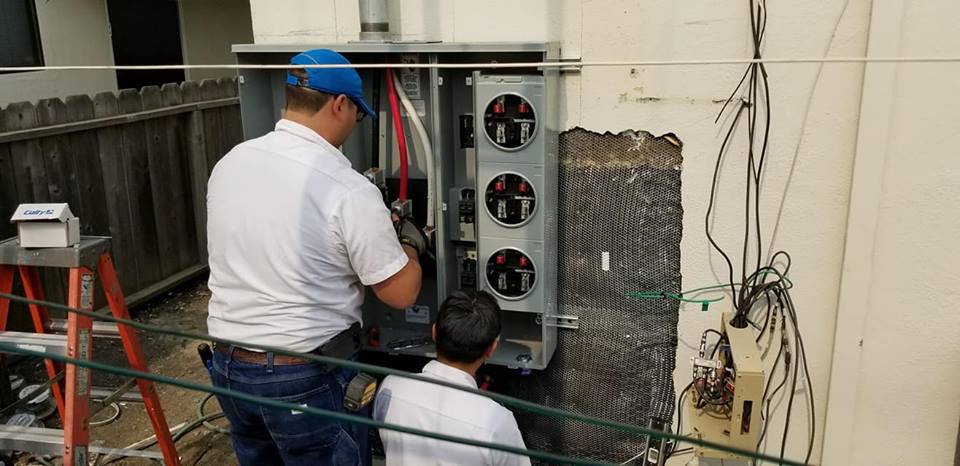
For properties with aluminum wiring, a professional may recommend pigtailing aluminum ends with copper wire using approved connectors, or replacing the aluminum runs entirely. This is not a DIY job; the connection method is specific and must be done to code to prevent future corrosion and heat buildup. Wooding Electric provides residential and commercial electrical troubleshooting, repairs, wiring improvements, and related electrical services in San Jose and surrounding Bay Area cities, so homeowners in that area have a local option for this kind of work.
What This Means for the Homeowner
For someone living in an older property, unreliable lighting is not something to live with or to try to fix by swapping bulbs. The root cause is almost always in the wiring, and fixing it requires a proper electrical service. The good news is that once the circuit wiring is brought up to modern standards, the lighting becomes reliable. LED bulbs last their full rated life, dimmer switches work smoothly, and the flickering that once drove everyone crazy simply stops.
It also means that other electrical devices on the same circuit become safer. Loose connections and undersized wire generate heat, and heat is the main cause of electrical failures inside walls. By addressing the wiring, a homeowner reduces the risk of a junction box overheating or a connection failing under load. The peace of mind that comes from having a safe, stable electrical system is often worth more than the cost of the repair.
If you notice any of the signs mentioned earlier, the next step is to have a licensed electrician inspect the circuit. They can measure voltage under load, test connections for resistance, and recommend exactly what needs to change. In many cases, the fix is straightforward: a new run of wire, a few new junction boxes, and updated connections at the fixture. The result is lighting that works as it should, every time you flip the switch.

For residents in the San Jose area, Wooding Electric offers the kind of thorough evaluation and repair work that older homes need. They understand the specific challenges of vintage wiring and can plan improvements that solve the problem without unnecessary expense. Whether it is a single flickering light or a whole house that needs rewiring, the goal is the same: reliable, safe lighting that makes the home comfortable and functional.
Final Practical Advice
Do not ignore a light that misbehaves. It is usually a symptom of a larger issue in the circuit wiring, and leaving it can allow minor problems to grow. The safest approach is to have a professional look at the entire circuit, not just the fixture. Wiring repair services exist to handle exactly these situations, and they can turn a frustrating, unreliable lighting setup into one that works without drama for years to come.